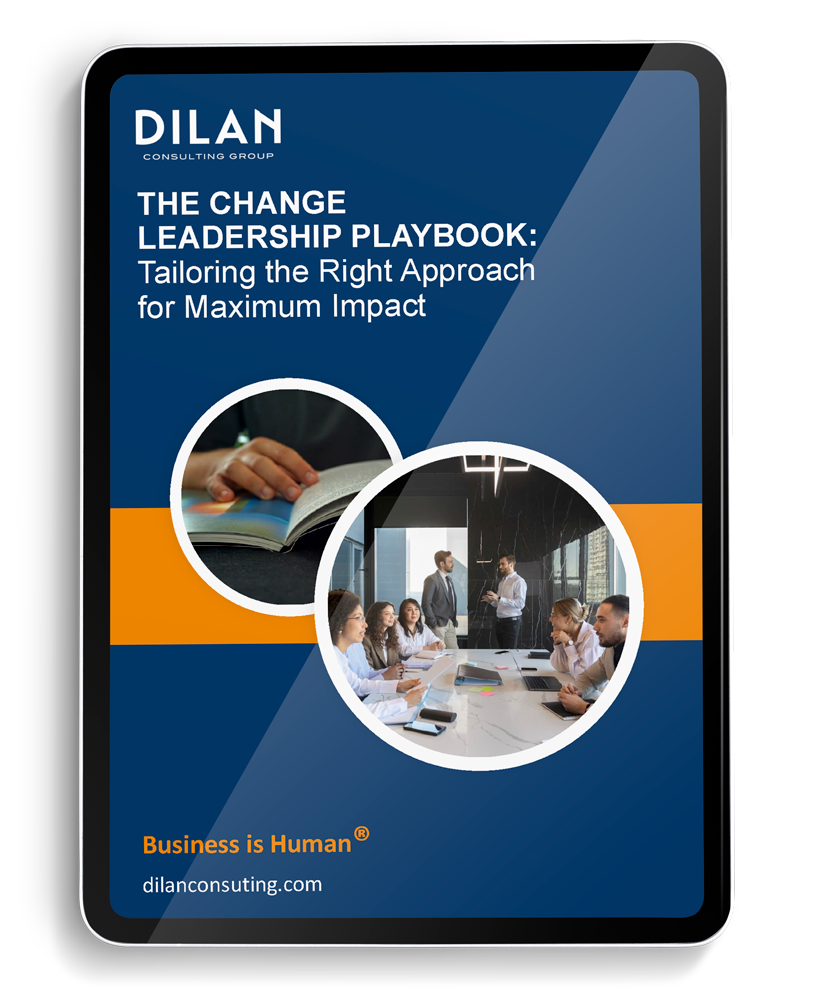
Conflict is an inevitable part of any workplace, especially in high-stress environments. For leaders and HR professionals, knowing how to manage and de-escalate conflicts effectively is crucial. One powerful yet often overlooked tool in conflict resolution is the simple act of pausing. This pause allows for reflection, emotional regulation, and a more strategic approach to conflict management. Here's why taking a step back can be so effective. 1. Emotional Regulation and Self-Awareness Daniel Goleman, in his work on emotional intelligence, emphasizes the importance of self-awareness and emotional regulation. Pausing during a conflict allows leaders to recognize their emotional triggers and manage their responses effectively. Goleman states, "Self-regulation, which is based on self-awareness, involves controlling or redirecting our disruptive emotions and impulses and adapting to changing circumstances". By taking a moment to pause, leaders can prevent knee-jerk reactions that might escalate the conflict further. 2. Perspective and Empathy Liz Wiseman, author of “Multipliers”, highlights how great leaders amplify the intelligence of those around them. A pause allows leaders to step back and view the situation from different perspectives, fostering empathy and understanding. This approach helps in identifying the underlying issues and addressing them more constructively. As Wiseman puts it, "Multipliers use their intelligence to amplify the smarts and capabilities of the people around them". 3. Reflection and Strategic Thinking Daniel Pink, in his book “Drive”, discusses the importance of mastery and purposeful action. Taking a pause during a conflict can be seen as a strategic move to ensure that responses are thoughtful and aligned with long-term goals. Pink argues that "the urge to get better and better at something that matters" drives people to achieve mastery. By pausing, leaders can reflect on their actions and responses, ensuring they contribute positively to conflict resolution. 4. State Management and Calmness Tony Robbins emphasizes the power of state management—the ability to control one's emotional state to maintain peak performance. In high-stress conflict situations, a pause can help individuals regain their composure and approach the issue with a clear, calm mind. Robbins notes, "Our behaviors are the direct result of our emotional states, and by changing our state, we can change our outcomes". This pause helps in reducing acute stress responses and allows for more rational and effective problem-solving. 5. Building Trust and Team Cohesion Patrick Lencioni, in “The Five Dysfunctions of a Team”, identifies trust as the foundation of effective teamwork. During conflicts, pausing allows leaders to demonstrate their commitment to fair and thoughtful resolution, thereby building trust within the team. Lencioni asserts, "Trust is knowing that when a team member does push you, they're doing it because they care about the team". A well-timed pause shows that leaders value input and are dedicated to finding the best outcome for all involved. 6. Creating a Culture of Open Communication Simon Sinek, known for his work on leadership and organizational culture, emphasizes the importance of open communication and understanding. A pause in conflict situations creates space for dialogue and ensures that all voices are heard. Sinek explains, "Leadership is not about being in charge. It is about taking care of those in your charge". By pausing, leaders foster a culture where employees feel safe to express their concerns and contribute to conflict resolution.
/Blog
Article
July 19, 2024
The Power of the Pause: Why Taking a Step Back Can De-escalate Conflict
IN THIS ARTICLE:
By: Team DILAN

Our Latest E-books
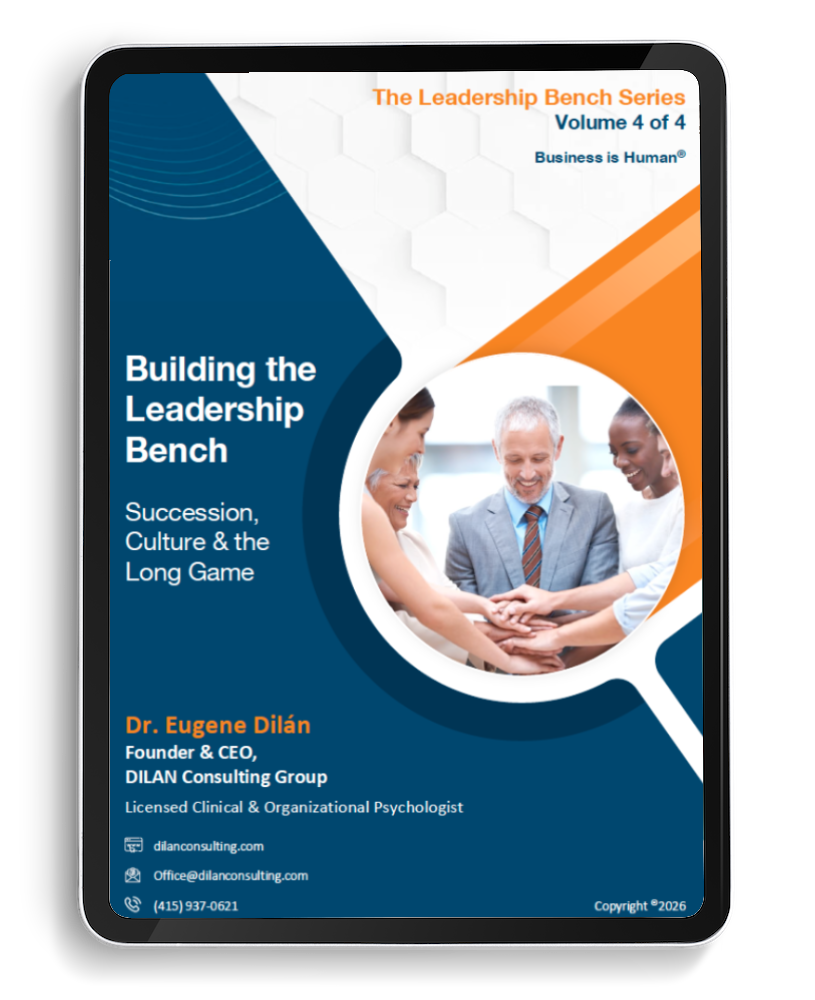
Succession, Culture & the Long Game
The Leadership Bench Series Volume 4
Conflict is an inevitable part of any workplace, especially in high-stress environments. For leaders and HR professionals, knowing how to manage and de-escalate conflicts effectively…
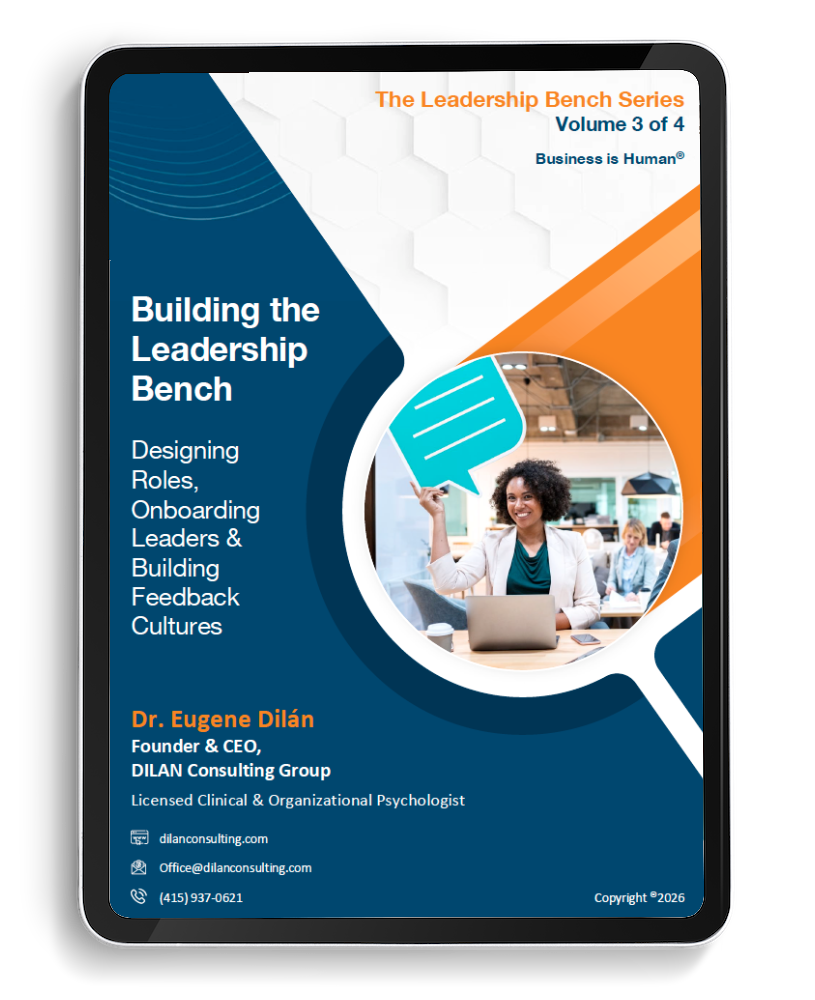
Designing Roles, Onboarding Leaders & Building Feedback Cultures
The Leadership Bench Series Volume 3
Conflict is an inevitable part of any workplace, especially in high-stress environments. For leaders and HR professionals, knowing how to manage and de-escalate conflicts effectively…
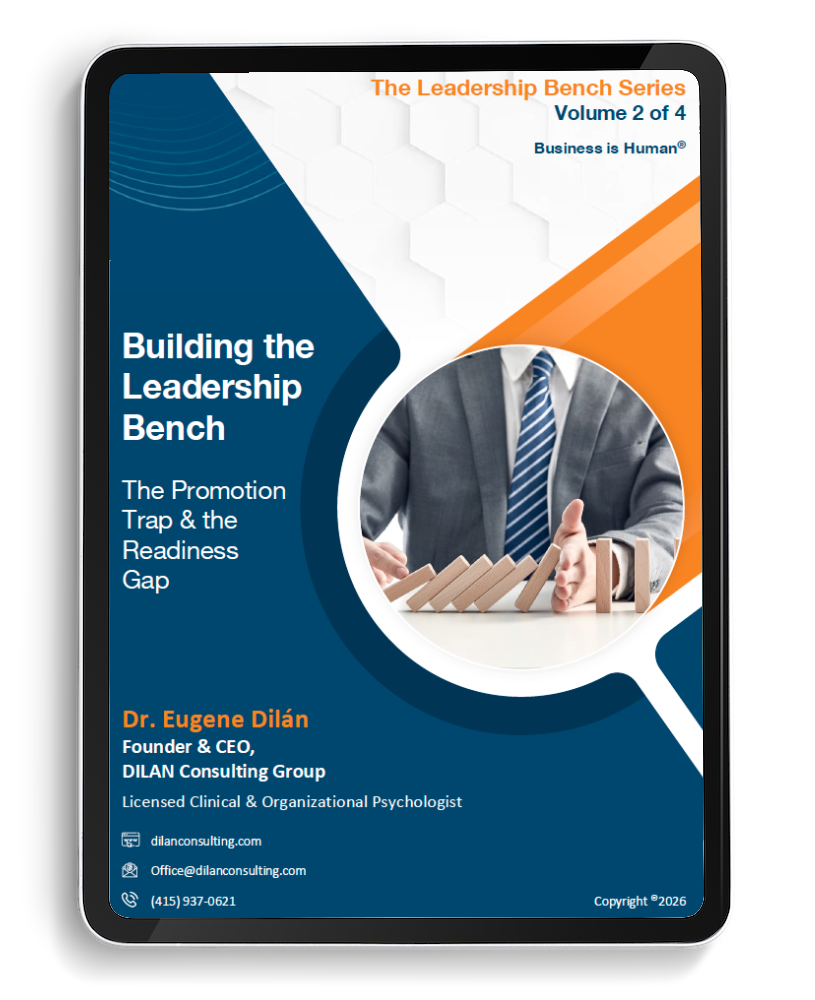
The Promotion Trap & the Readiness Gap
The Leadership Bench Series Volume 2
Conflict is an inevitable part of any workplace, especially in high-stress environments. For leaders and HR professionals, knowing how to manage and de-escalate conflicts effectively…
Get in Touch
UNLEASH HUMAN POTENTIAL
Subscribe To Our Newsletter
We would love to stay in touch with you. To subscribe to our newsletter, please sign up below. We do not sell or trade your name or personal information.